Jumat, 16 Juli 2010
Bmw M3 Sports Cars
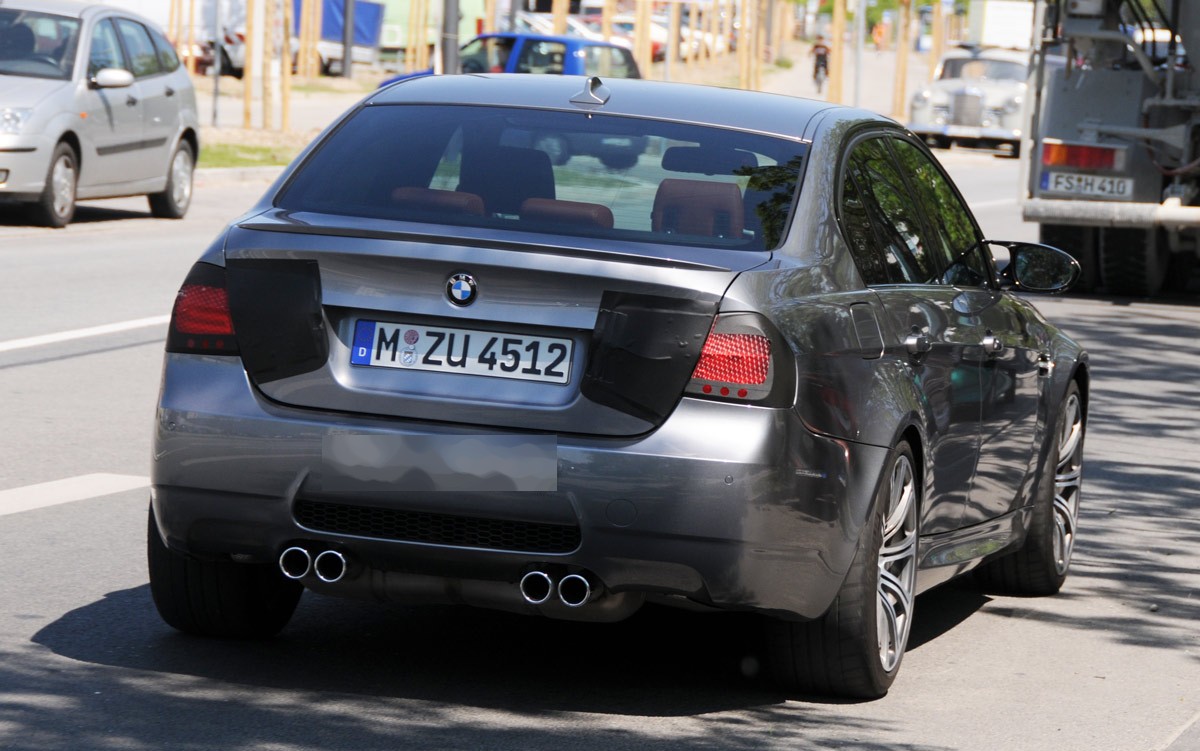
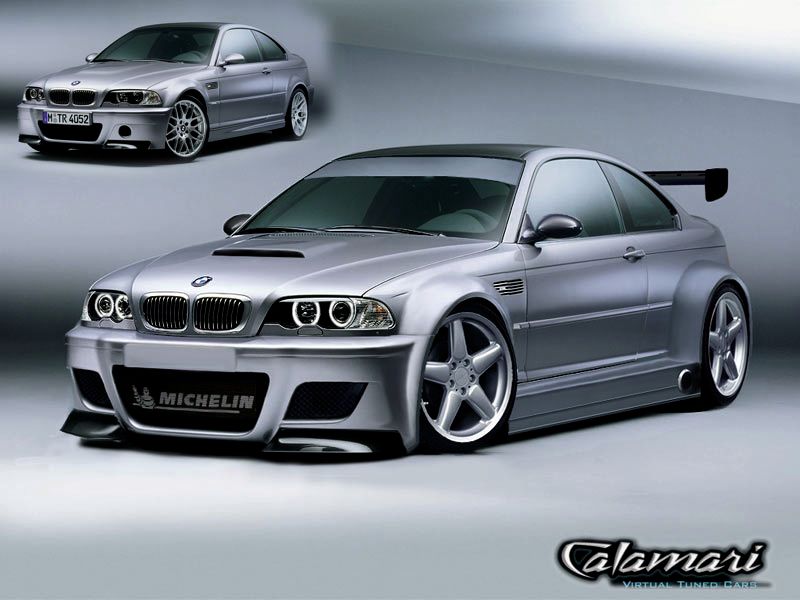
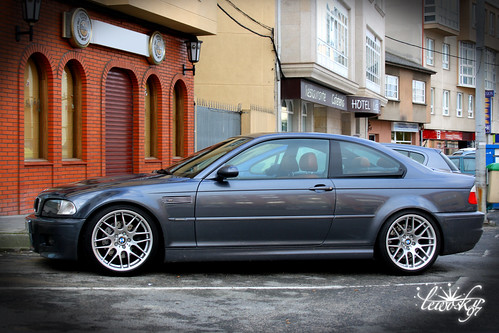
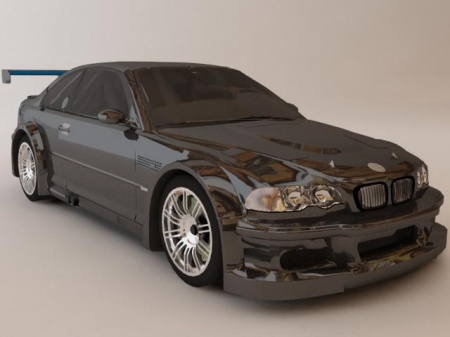
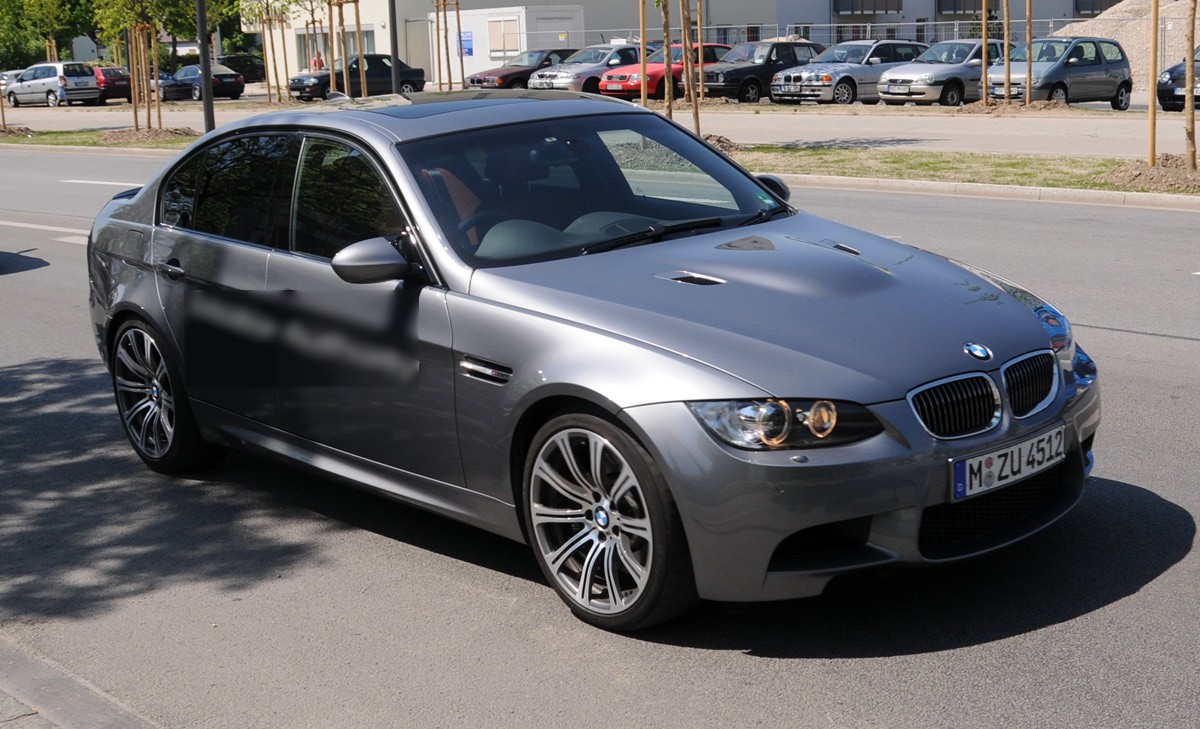
The BMW M3 is a high-performance version of the BMW 3 Series , developed by BMW's branch BMW M. M3 models have been derived from the E30, E36, E46 and E90/E92/E93 3-series, and sold with coupé, sedan and convertible body styles. Common upgrades over the "standard" 3-Series automobiles include more powerful and responsive (yet at times smaller) engines, improved handling/suspension, more aggressive aerodynamics/body, and multiple interior/exterior accents with the tri-color "M" (Motorsport) emblem.
bmw m3 gtr
bmw m3 concept
bmw m3 cars
bmw m3 picture
bmw m3 race car
2008 bmw m3
Selasa, 13 Juli 2010
Mazda MX-5 Miata Roadster in Japan
Manufacturer Mazda ! Also called Mazda MX-5 Miata - Mazda Miata - Eunos Roadster - Mazda Roadster ! Production 1989–present ! Assembly Hiroshima, Japan ! Class Roadster ! Layout FR layout ! Platform Mazda N platform ! Curb weight 990kgThe Mazda MX-5, also known as Miata (pronounced /miˈɑːtə/) in North America and Roadster in Japan, is a two-seater roadster built by Mazda in Hiroshima, Japan. The model was introduced in 1989 and is now in its third generation.
Mazda MX-5 Miata Roadster Generations and overview
Now in its third generation, the MX5's first generation, the NA, sold over 400,000 units from 1989 to 1997 – with a 1.6 L (98 cu in) straight-4 engine to 1993, a 1.8 L (110 cu in) engine thereafter (with a de-tuned 1.6 as a budget option in some markets) – recognizable by its pop-up headlights. The second generation (NB) was introduced in 1998 with a slight increase in engine power; it can be recognized by the fixed headlights and the glass rear window. The third generation (NC) was introduced in 2005 with a 2.0 L (120 cu in) engine.
The Mazda MX-5 Miata Roadster was conceived as a small roadster – with light weight and minimal mechanical complexity limited only by legal and safety requirements; technologically modern, but a philosophically direct descendant of the small British roadsters of the 1960s such as the Triumph Spitfire, Austin-Healey Sprite, MG Midget and Lotus Elan.
The Mazda MX-5 Miata Roadster was designed with a traditional front-engine, rear-wheel drive layout and four-wheel independent double wishbone suspension. It has a longitudinally-mounted four cylinder engine coupled to a manual transmission (5 speed for NA, 5 or 6 speed in NB & NC); an automatic transmission is a cost option.
The body is a conventional, but light, unibody or monocoque construction, with (detachable) front and rear subframes. The MX-5 also incorporates a truss marketed as the Powerplant Frame (PPF) which connects the engine to the differential, minimizing flex and contributing to responsive handling. Some MX-5s feature limited slip differentials and anti-lock braking system. Traction control is an option available on NC models. The earlier cars weighed in at just over a ton, with engine power output usually 116 bhp (87 kW). The later cars were heavier, with higher power engines.
With an approximate 50:50 front/rear weight balance, the car has nearly neutral handling. Inducing oversteer is easy and very controllable, thus making the MX-5 a popular choice for amateur and stock racing, including, in the USA, the Sports Car Club of America's Solo2 autocross and Spec Miata race series and in the UK the Ma5da racing championship.
Beginning with the third generation, Mazda consolidated worldwide marketing using the MX-5 name, though enthusiasts in the USA still refer to it as Miata, a name that means "reward" in Old High German.
Mazda MX-5 Miata Roadster has won many awards including Wheels Magazine 's Car of the Year for 1989 and 2005; Sports Car International's "best sports car of the 1990s" and "ten best sports cars of all time"; 2005-2006 Car of the Year Japan; and 2005 Australian Car of the Year - and making Car and Driver magazine's annual Ten Best list seven times.
In 2009, Automotive critic Jeremy Clarkson wrote:
“ The fact is that if you want a sports car, the MX-5 is perfect. Nothing on the road will give you better value. Nothing will give you so much fun. The only reason I’m giving it five stars is because I can’t give it 14."
Mazda MX-5 Miata Roadster First generation (NA)......The MX-5 was unveiled at the Chicago Auto Show on February 10, 1989, with a price tag of US$14,000 (US$24,100 in 2008 adjusted for inflation.....
Mazda MX-5 Miata Roadster Second generation (NB).....In 1998, Mazda released the second-generation MX-5, production code NB, for the 1999 model year. The NB featured a more powerful engine and external styling cues borrowed......
Mazda MX-5 Miata Roadster Third generation (NC).....Production of the third-generation MX-5, code NC, began May 17, 2005, for delivery in August, for the 2006 model year. This was partially due to the declining sales of the MX-5 during its second generation run.....
Ford Taurus is an automobile manufactured by the Ford Motor Company in the United States
Manufacturer Ford Motor Company ! Production 1985–present ! Model year(s)1986–present ! Predecessor Ford LTD (1985) ! Ford Five Hundred (2008) ! Successor Ford Fusion (2006 for mid-size) ! Class Mid-size (1986–2007) ! Full-size (2008–present)The Ford Taurus is an automobile manufactured by the Ford Motor Company in the United States. Originally introduced in the 1986 model year, it has remained in near-continuous production for more than two decades, making it the fourth oldest nameplate that is currently sold in the North American Ford lineup.It has had a more upscale Mercury branded version entitled the Sable (1986–2005; 2008–2009), as well as a performance variant, the Ford Taurus SHO (1989–1999 and 2010—); in addition, it served as the basis for the first-ever front-wheel drive Lincoln Continental (1988–1994). It was a front-wheel drive mid-size car during its first production run, and it is now a full-size car available in front- or all-wheel drive. It is built on the D3 platform since 2008.
The original Taurus was a milestone design for Ford and the entire American automotive industry, as well as a very influential vehicle that brought many new features and innovations to the marketplace.Since its launch in 1986, Ford has built 7,519,919 Tauruses through the 2007 model year,Making it the fifth best selling North American nameplate in Ford's history; only the F-150,Escort,Model T, and Mustang have sold more units. Between 1992 and 1996, the Taurus was the best-selling car in the United States,eventually losing the title to the Toyota Camry in 1997.The 1986-2007 Tauruses were built on the D186 platform.
In the late 1990s and early 2000s, sales of the Taurus declined as it lost market share to Japanese midsize sedans, and as Ford shifted resources towards developing SUVs. It was discontinued in 2006, with production initially ending on October 27, 2006 and 2007 being the last model year.Ford had decided to replace the Taurus with the fullsize Five Hundred and midsize Fusion sedans, as well as replacing the Taurus wagon with the Freestyle crossover SUV. However, Ford revived the Taurus name a few months later during the 2007 Chicago Auto Show by renaming two new models that were intended to be updated versions of the Five Hundred and the Freestyle, the "2008 Taurus" and "2008 Taurus X", respectively.A new model of Taurus was then released for the 2010 model year.
Ford Taurus First generation (1986–1991)....The first-generation Taurus was launched in 1985 as a 1986 model to strong fanfare and sales, replacing the slow-selling mid-size Ford LTD.....
Ford Taurus Second generation (1992–1995)....The Taurus received its first cosmetic update in 1992. The second generation dropped the manual transmission and the four-cylinder engine
Ford Taurus Third generation (1996–1999)....The 1996 model year saw the first complete redesign of the Taurus. It used a controversial new shape that chief designer Jack Telnack....
Ford Taurus Fourth generation (2000–2007)...The Taurus received another redesign for 2000, which replaced many of the oval derived design elements of the previous model...
Ford Taurus Initial discontinuation and revival....Taurus sales had slumped significantly in the years prior to its demise, losing significant market share to Japanese sedans.....
Ford Taurus Fifth generation (2008–2009)...The fifth generation was developed from the Ford Five Hundred, which was scheduled for a significant styling facelift and power upgrade for the 2008 model year
Ford Taurus Sixth generation (2010–.......)......The 2010 Ford Taurus was revealed at the Detroit International Auto Show in 2009 at Cobo Hall.....
Senin, 12 Juli 2010
Hyundai Elantra is a compact car from South Korea

Manufacturer Hyundai Motor Company ! Production 1990–present ! Predecessor Hyundai Excel ! Successor Hyundai i30 (hatchback, Europe only) ! Class Compact
The Hyundai Elantra (Korean: 현대 엘란트라), or Hyundai Avante (현대 아반떼) in South Korea, is a compact car from Hyundai of South Korea launched for the 1991 model year, and now in its fourth generation.
The Elantra was formerly marketed as the Lantra and the Avante in Australia and some European markets. In Australia, this was due to the similarly named Mitsubishi Magna Elante model. This gave rise to disagreement from other motor manufacturers, and the name was standardized as "Elantra" worldwide in 2001 (with the exception being Korea and Malaysia still selling under the name Avante).
The Hyundai Elantra (Korean: 현대 엘란트라), or Hyundai Avante (현대 아반떼) in South Korea, is a compact car from Hyundai of South Korea launched for the 1991 model year, and now in its fourth generation.
The Elantra was formerly marketed as the Lantra and the Avante in Australia and some European markets. In Australia, this was due to the similarly named Mitsubishi Magna Elante model. This gave rise to disagreement from other motor manufacturers, and the name was standardized as "Elantra" worldwide in 2001 (with the exception being Korea and Malaysia still selling under the name Avante).
First generation (1991–1995)
Launched in 1990 to compete with the Honda Civic and Toyota Corolla the Elantra (codename J1) received a mid-term facelift in 1993. It was originally designed to replace the Hyundai Excel, but the Excel ended up being sold for four seasons until being replaced by the Accent.
The Elantra was powered by a Mitsubishi-designed 1.6 L (1596 cc) straight-4 This DOHC 16-valve 1.6 L unit produced 113 hp (84 kW) at 6000 rpm and could push the Elantra to 60 mph (97 km/h) in 9.5 seconds. The quarter-mile (0.4 km) run took 17.1 seconds and produced 80 mph (129 km/h). Top speed was 116 mph (187 km/h). The Elantra got 22 mpg (10.7 L/100 km) in the city cycle. Starting in 1993 there was also a Mitsubishi-designed 1.8 L (1836 cc) straight-4 engine available the 1.8L unit that produced 124 hp (99 kW) at 6000 rpm.
The Hyundai Elantra was facelifted in 1992 for the European market, adding Hyundai's current logo to the grille, although North American models retained the previous year's look. In 1993, the vehicle was facelifted again. The third (second in North America) and final facelift of this generation occurred in 1994 for both front and rear fascias.
The Hyundai Elantra (Korean: 현대 엘란트라), or Hyundai Avante (현대 아반떼) in South Korea, is a compact car from Hyundai of South Korea launched for the 1991 model year, and now in its fourth generation.
The Elantra was formerly marketed as the Lantra and the Avante in Australia and some European markets. In Australia, this was due to the similarly named Mitsubishi Magna Elante model. This gave rise to disagreement from other motor manufacturers, and the name was standardized as "Elantra" worldwide in 2001 (with the exception being Korea and Malaysia still selling under the name Avante).
The Hyundai Elantra (Korean: 현대 엘란트라), or Hyundai Avante (현대 아반떼) in South Korea, is a compact car from Hyundai of South Korea launched for the 1991 model year, and now in its fourth generation.
The Elantra was formerly marketed as the Lantra and the Avante in Australia and some European markets. In Australia, this was due to the similarly named Mitsubishi Magna Elante model. This gave rise to disagreement from other motor manufacturers, and the name was standardized as "Elantra" worldwide in 2001 (with the exception being Korea and Malaysia still selling under the name Avante).
First generation (1991–1995)
Launched in 1990 to compete with the Honda Civic and Toyota Corolla the Elantra (codename J1) received a mid-term facelift in 1993. It was originally designed to replace the Hyundai Excel, but the Excel ended up being sold for four seasons until being replaced by the Accent.
The Elantra was powered by a Mitsubishi-designed 1.6 L (1596 cc) straight-4 This DOHC 16-valve 1.6 L unit produced 113 hp (84 kW) at 6000 rpm and could push the Elantra to 60 mph (97 km/h) in 9.5 seconds. The quarter-mile (0.4 km) run took 17.1 seconds and produced 80 mph (129 km/h). Top speed was 116 mph (187 km/h). The Elantra got 22 mpg (10.7 L/100 km) in the city cycle. Starting in 1993 there was also a Mitsubishi-designed 1.8 L (1836 cc) straight-4 engine available the 1.8L unit that produced 124 hp (99 kW) at 6000 rpm.
The Hyundai Elantra was facelifted in 1992 for the European market, adding Hyundai's current logo to the grille, although North American models retained the previous year's look. In 1993, the vehicle was facelifted again. The third (second in North America) and final facelift of this generation occurred in 1994 for both front and rear fascias.
Langganan:
Postingan (Atom)